Skip to content

Browse templates

Public Goodeye templates you can fetch and run today. Each pairs a skill with the verifiers it runs. Reuse any one as your own private skill.

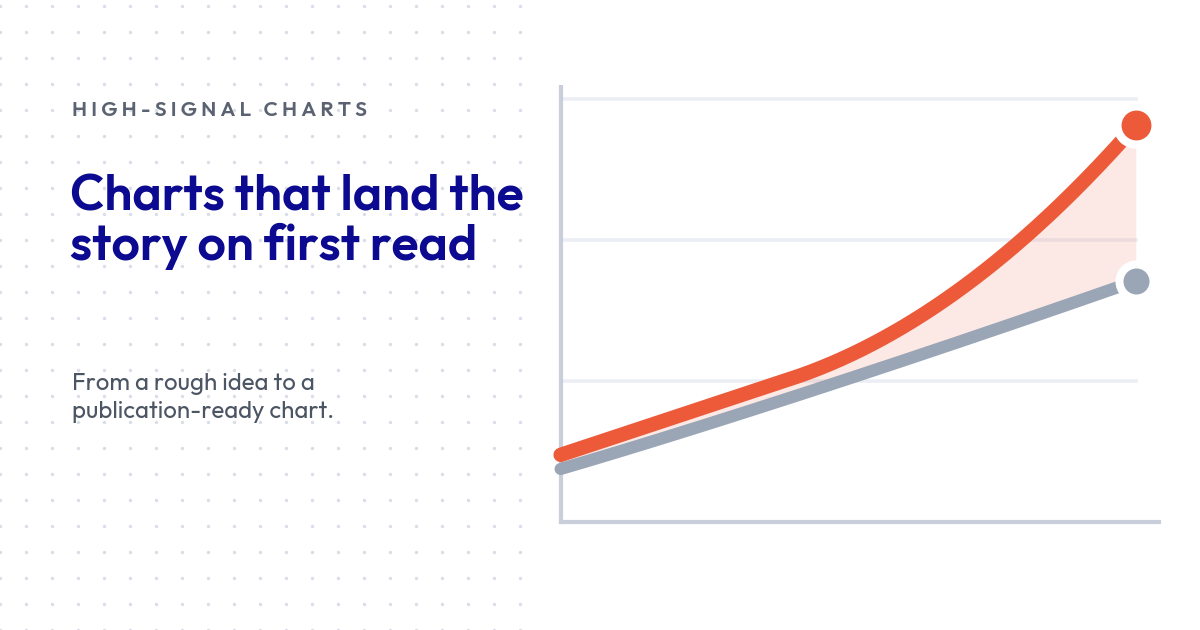
Use when you have an idea for a data story and want a publication-quality chart back. The agent finds an authoritative public dataset, drafts three chart-type variants in parallel, picks the strongest, then iterates against deterministic design and overlap checks plus a design-rubric judge until the chart carries the story.

Checks
SafetyRunnableWell-formed
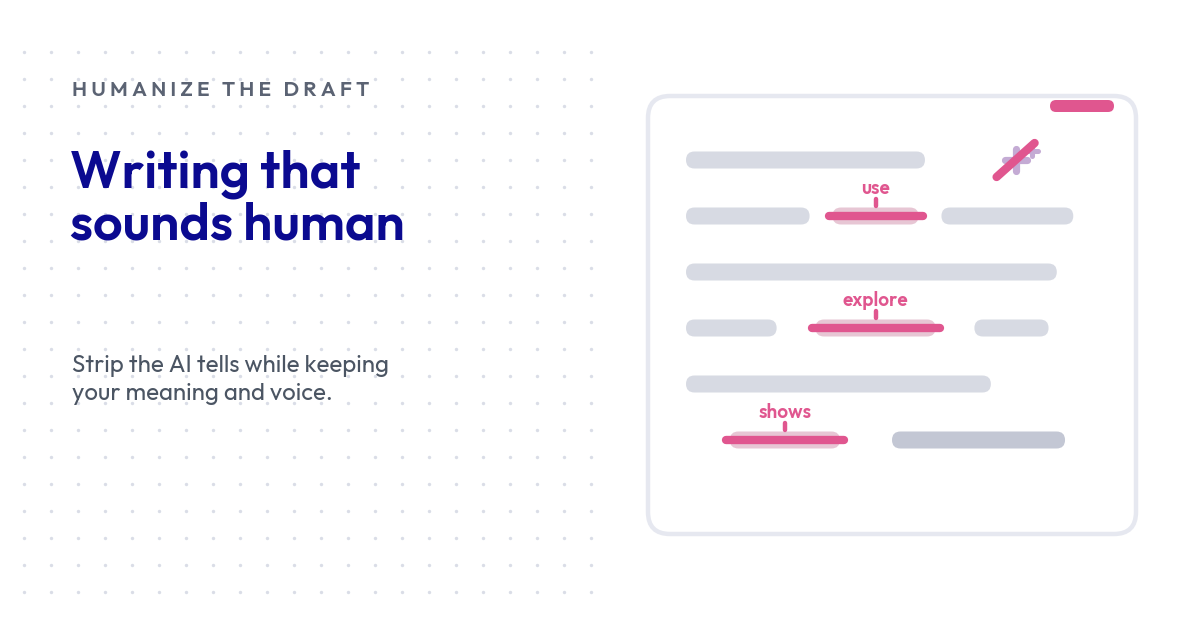
Remove signs of AI-generated writing from prose text. Use when editing a draft that sounds AI-generated, reviewing content before publishing, cleaning up LLM output for human readers, or preparing text for a brand voice that requires natural human writing.

Checks
SafetyRunnableWell-formed
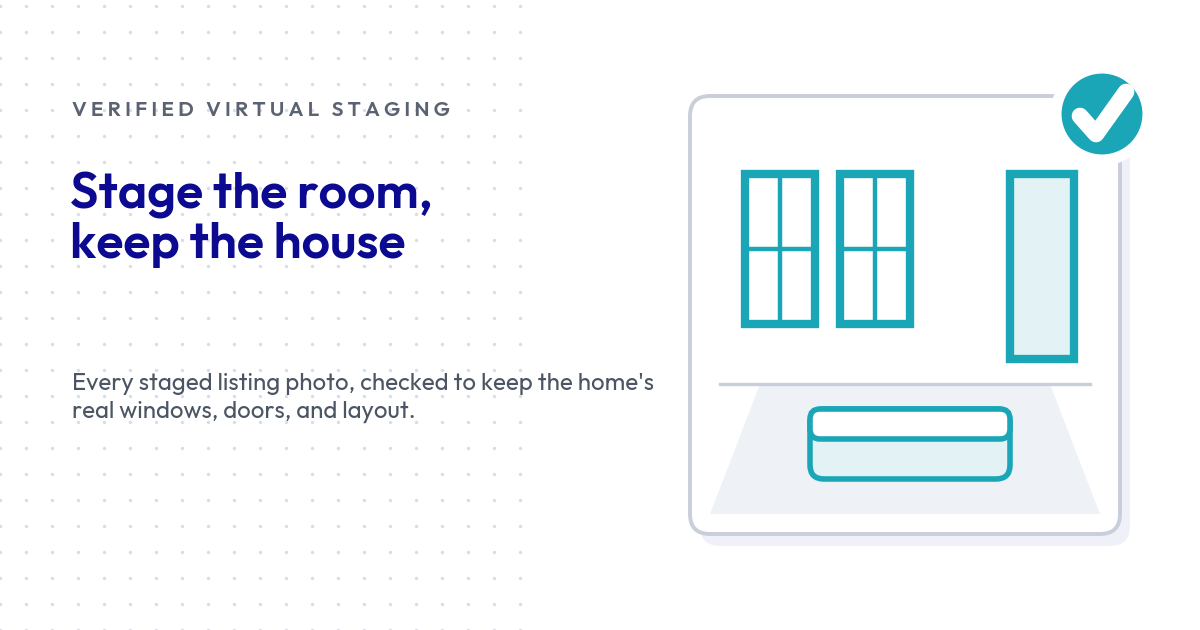
Use when you have a photo of an empty or vacant room and want it virtually staged with furniture for a real-estate listing, a short-term-rental page, or a furniture catalog, with proof that the staging only adds furniture and never changes the home's real layout.

Checks
SafetyRunnableWell-formed
Builds a personal digital twin: a local, always-available skill that knows who you are, advises you in your own framing, and writes in your voice. Use when someone wants to set up or create their own digital twin, a personal-context or knows-me assistant, a write-as-me or advise-me agent, or to capture their identity, values, relationships, and communication style for any AI to use. Keeps the person's data on their own machine.

Checks
SafetyRunnableWell-formed
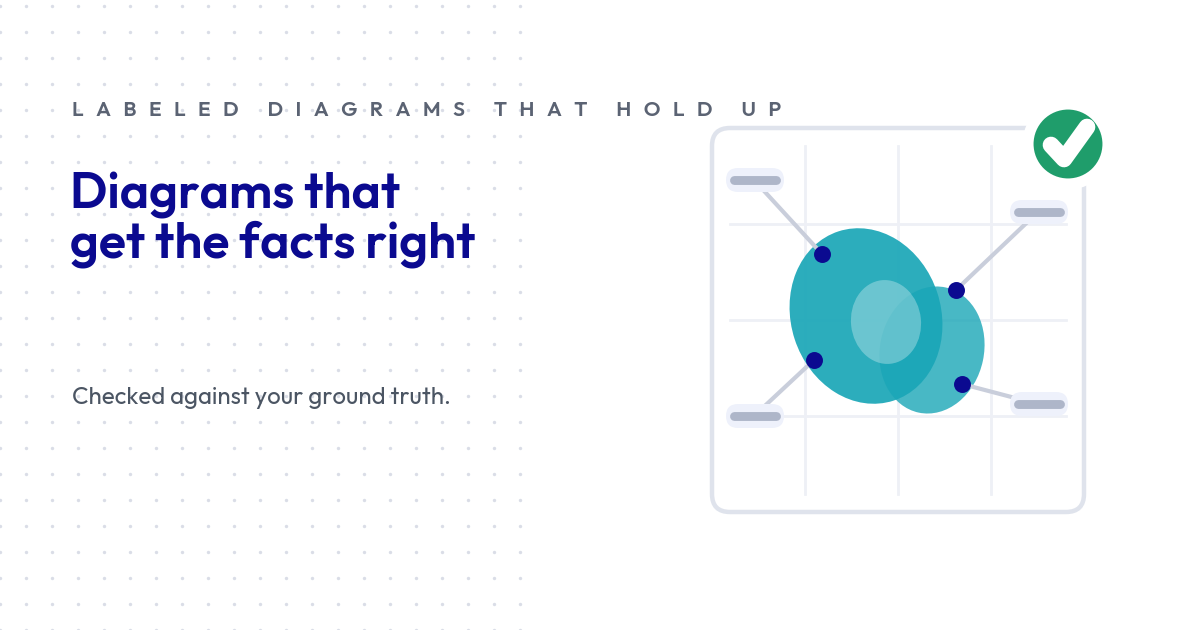
Use when you want a publication-ready labeled scientific or anatomical diagram - a heart, a cell, a neuron, the water cycle, an engine cutaway - and need every label, part count, and relationship checked against a fact sheet you control before it ships, so a figure with a misspelled label, a wrong count, or a made-up part never lands in a slide, worksheet, or textbook.

Checks
SafetyRunnableWell-formed
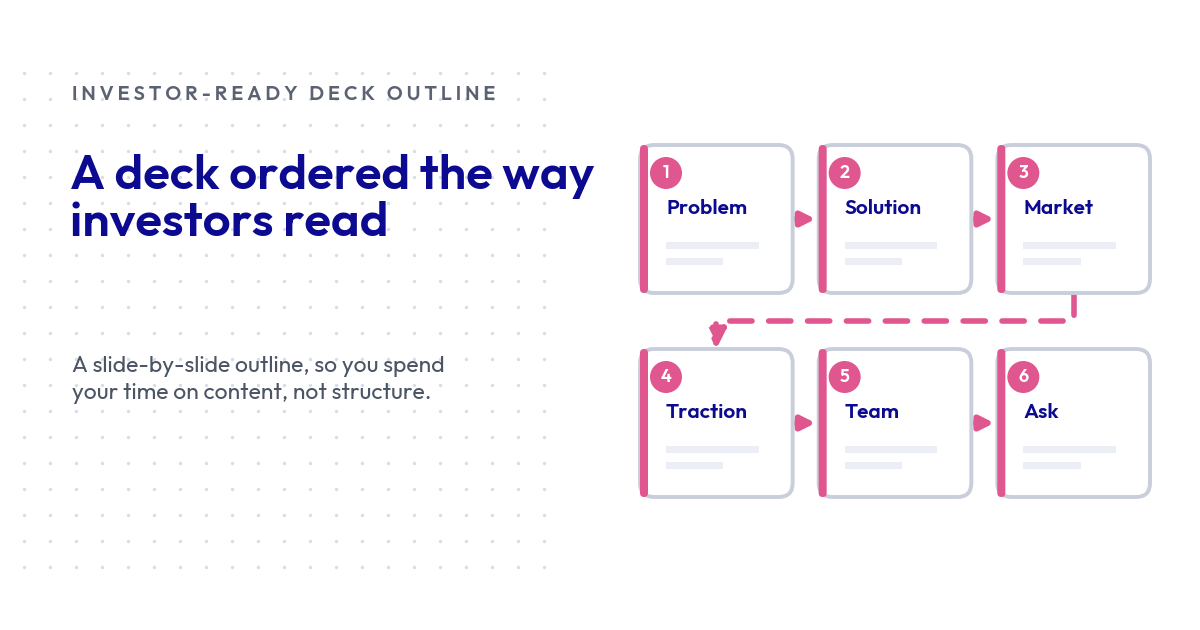
Use when starting a seed or Series A fundraise and the deck structure has not been decided yet, or when a draft feels disorganized and a sanity check against the way investors actually read decks would help. Produces a slide-by-slide outline so the next step is writing slide content, not arguing about which slides to have.

Checks
SafetyRunnableWell-formed
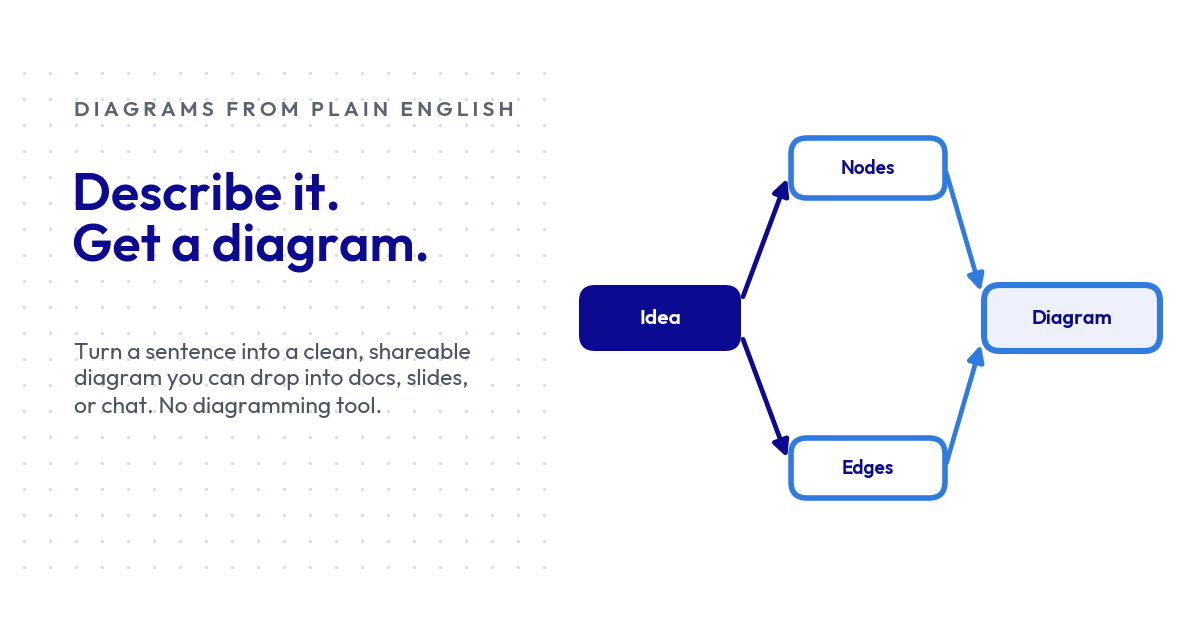
Use when you can describe a flow, architecture, data model, state machine, class layout, or topic tree in one or two sentences and want a clean, shareable diagram back without learning Mermaid syntax or opening a separate diagramming tool. You get a diagram source you can paste anywhere plus a rendered image you can drop into docs, slides, or chat.

Checks
SafetyRunnableWell-formed
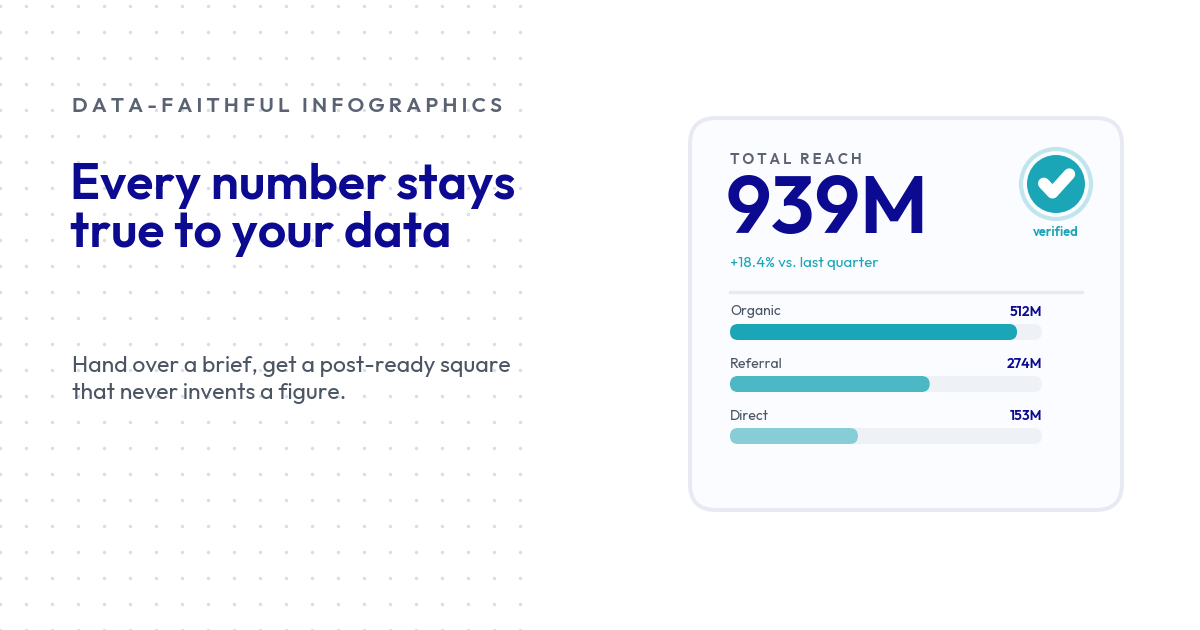
Use when you have a data story for LinkedIn, X, or a blog and want a designed square infographic whose visible numbers, labels, and source line exactly match your data, with no invented figures, transposed digits, or decorative chart-junk.

Checks
SafetyRunnableWell-formed

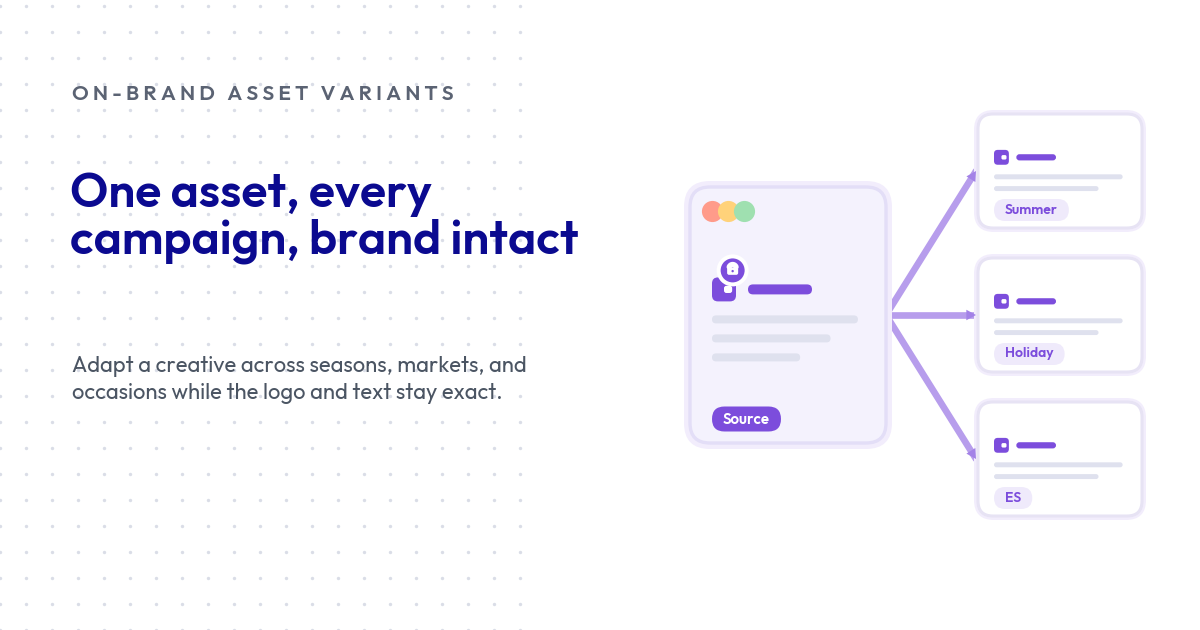
Use when you need one approved brand asset adapted to a new campaign context (season, locale, occasion, condition, or language) while the logo and on-image text stay exactly intact across the variation.

Checks
SafetyRunnableWell-formed

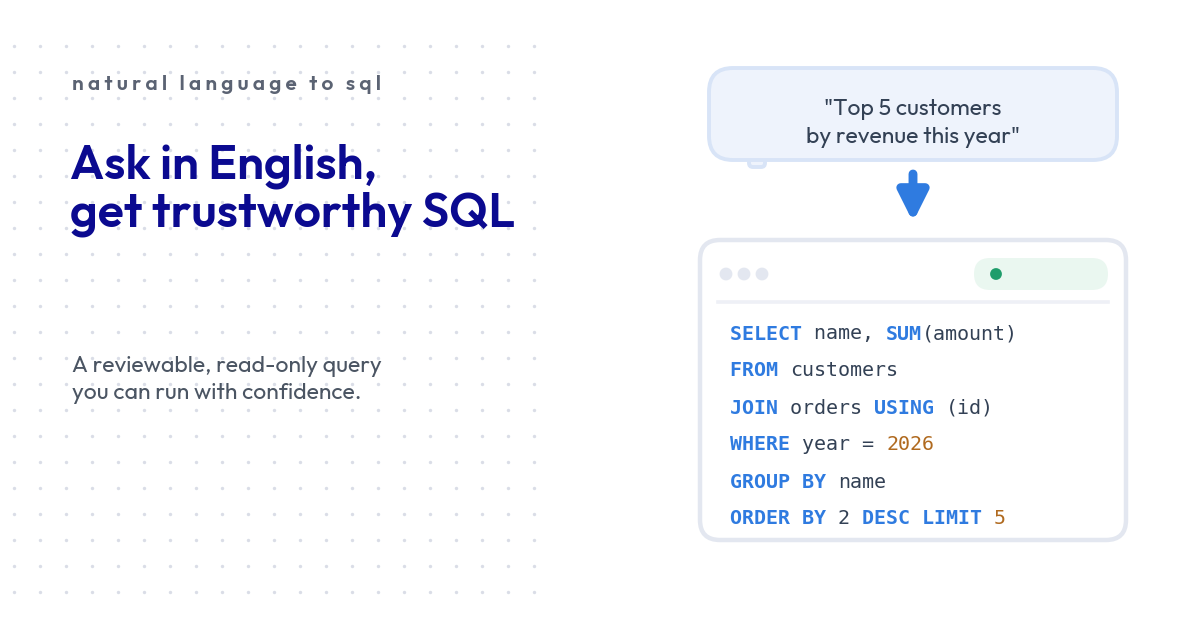
Use when the user asks a natural-language data question against a database in the current directory and wants a reviewable SQL query back. The agent discovers the schema and SQL dialect from the surrounding context (env vars, migration files, ORM models) before asking the user, drafts the query alongside a written rationale, and checks that the SQL parses in the right dialect, hits real columns, and stays read-only unless the user explicitly asked for a write.

Checks
SafetyRunnableWell-formed

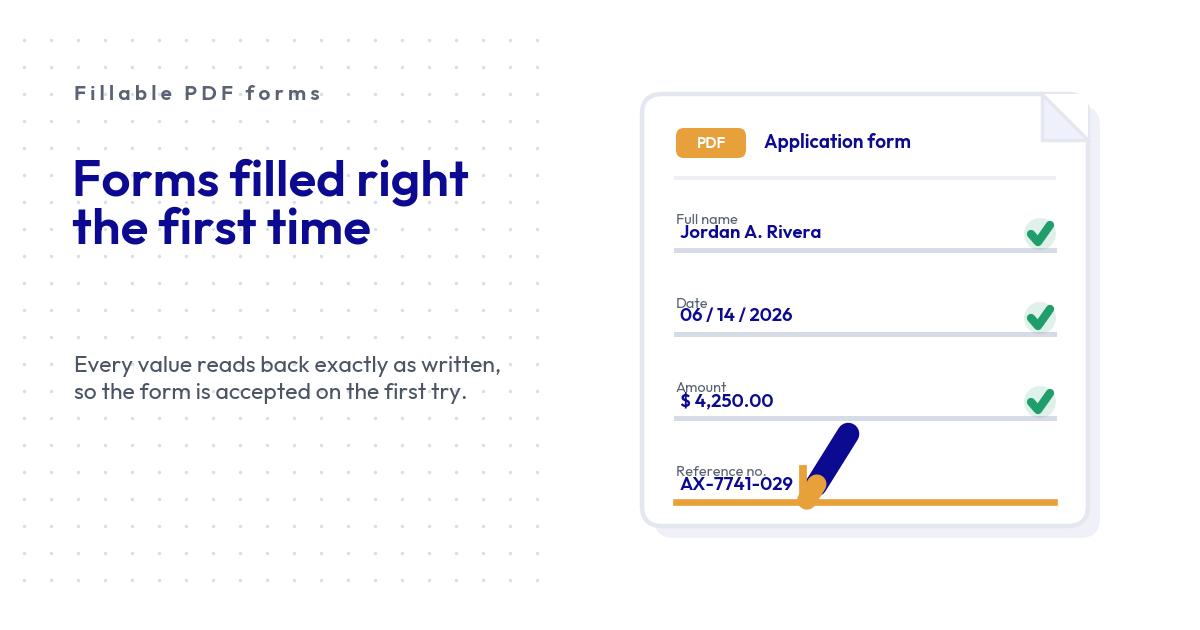
Use when a user hands over a fillable PDF along with partial or natural-language information about what should go in it. The agent reads the form, asks the user grouped questions for any missing values, fills the PDF, and confirms the result is correct before handing it back. It detects and refuses PDFs it cannot fill (scanned, signature-only, or dynamic forms with no standard fillable fields) and stops with a clear reason rather than producing a broken result.

Checks
SafetyRunnableWell-formed

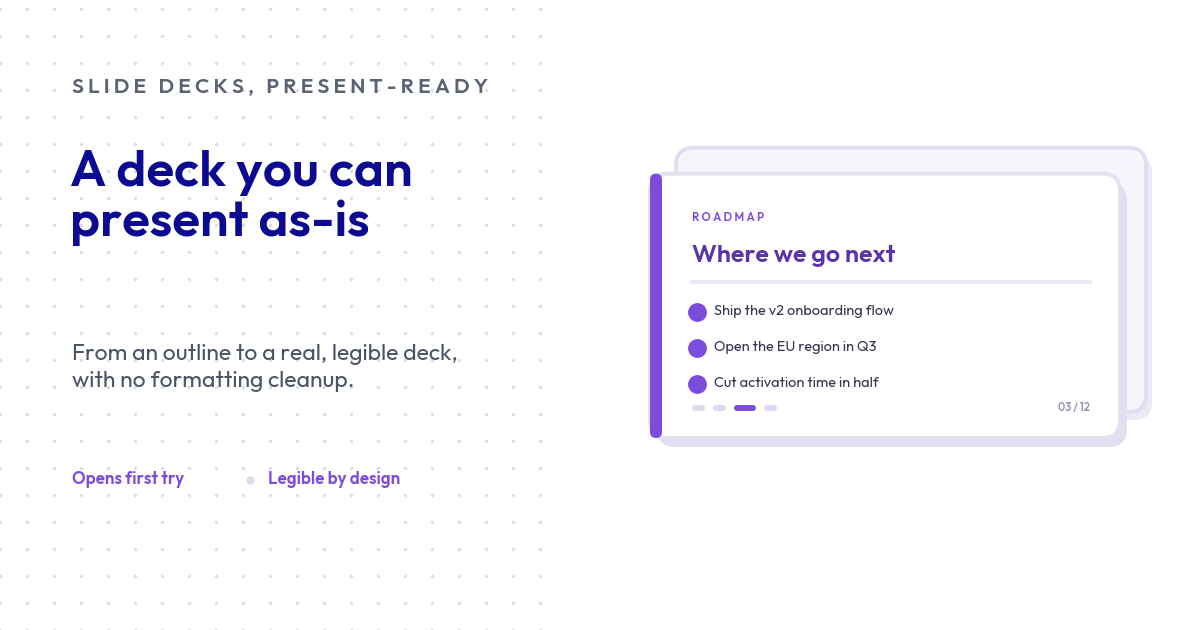
Use when the user asks for a slide deck, talk deck, or presentation from a structured outline or a rough description, and wants a real artifact (browser-openable HTML, or a PowerPoint file) rather than just an outline.

Checks
SafetyRunnableWell-formed